Organic Makeup Removers: Oils, Balms and Gentle Cleansing
The right makeup remover depends on the makeup you wear and the removal routine you can maintain. A balm, liquid oil, micellar product and disposable wipe are different formats, not a ladder from gentle to harsh. For organic makeup removers, check the intended use and complete label before giving weight to the sourcing story.
Start with what needs removing
List the products you use most often: light complexion makeup, long-wear lipstick, washable mascara or waterproof eye makeup. Then check whether the remover specifically addresses those products. A bottle described as a facial cleanser may not have directions for waterproof mascara, and an eye remover may not be designed to clean the whole face.
Decide whether you want a rinse-off routine at a sink or a format that uses a pad. That choice affects convenience, the amount you use and whether you need an additional cleanser. A product that only fits an occasional travel routine may be less useful as your everyday purchase.
Compare oils, balms and water-based formats
With a cleansing oil or balm, look for directions about applying to dry or wet skin, adding water and rinsing. Do not assume a plain oil and a formulated cleansing oil will rinse in the same way. For a two-phase liquid, check whether shaking is required before each use.
For micellar products, follow the exact rinse or leave-on instructions instead of treating the category name as a universal method. For wipes, consider whether the package reseals well and how many you usually need. Compare the cost of the full removal routine rather than the price of one container alone.
Treat the eye area as a separate requirement
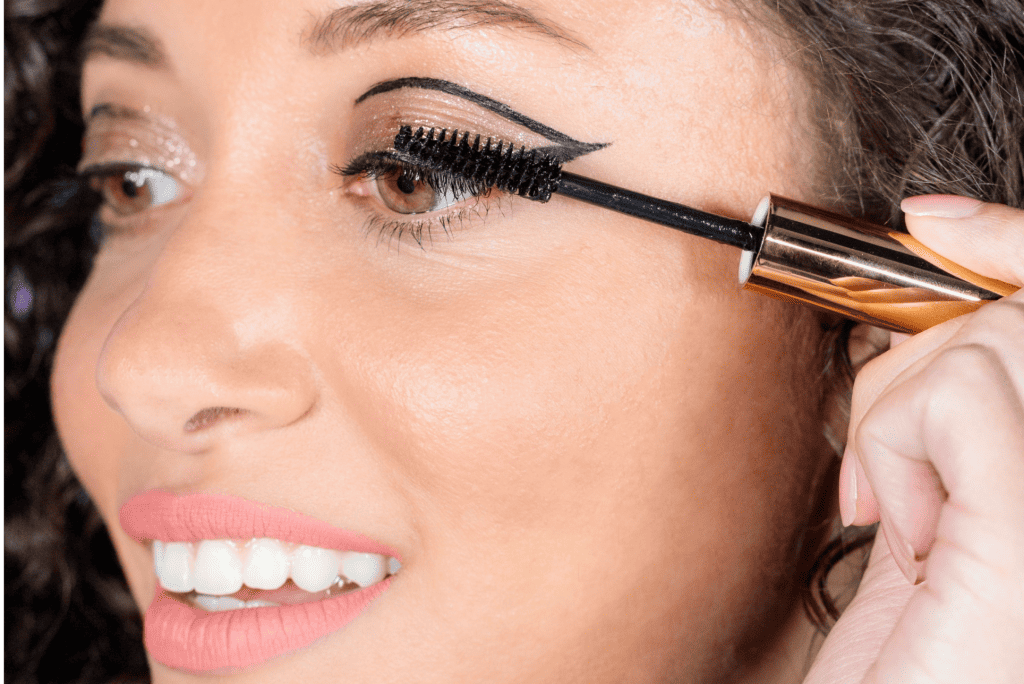
Use only products intended for use near the eyes, and take care during removal. FDA eye-cosmetic safety. “Natural oil” is not a substitute for an eye-use direction. Avoid turning a face scrub or an exfoliating add-on into part of eye-makeup removal.
If a remover’s instructions do not explain its compatibility with your mascara, seek that information before purchase. A claim that a product removes makeup does not show how it performs against every resistant formula. There is no reason to interpret repeated rubbing as a required test of whether the remover works.
Gentle cleansing is a technique as well as a label
AAD recommends a non-abrasive cleanser, lukewarm water and avoiding scrubbing. AAD face-washing advice. Use the product for its labeled purpose, then assess whether your skin feels comfortable after the complete routine.
A “hypoallergenic” label does not have a federally defined standard. FDA label guidance. If you know a fragrance or ingredient causes problems, compare the full ingredient list rather than looking for a blanket “all skin types” promise.
What to record before buying
Organic ingredients and finished-product certification are different claims. USDA.
A smaller bottle can be sensible when you are trying an unfamiliar texture. Keep your other products stable enough to judge whether the new remover suits you. Choose the format that reliably fits the makeup and routine you actually have, with clear instructions that do not require guessing.
How this guide was prepared: this AI-assisted documentary guide addresses cleansing choices using cited public guidance. No remover was tested against a makeup formula, and no comparative removal result is implied.